
How Common is Autism? A Parent's Journey
How Common is Autism?
I still remember the day my son was first diagnosed with autism. It felt like my world turned upside down. There were so many thoughts racing through my mind, but the one question that stood out was, “How common is autism? Are there other parents like us going through the same thing?” If your child has recently been diagnosed with autism, it’s natural for you to be overwhelmed by this question. I’m writing this chapter to share my experience and knowledge with you, as a friend, as a mother. Let’s break it down in simple points.
Autism is Very Common
Autism Spectrum Disorder (ASD) is quite common today. According to research, about 1 to 2 children out of every 100 are diagnosed with autism. If we look at the numbers, it’s in the millions. So if you’re feeling alone, know that you’re not! There are many parents going through the same journey as you.
Early Diagnosis is Becoming More Common
In the past, it wasn’t easy to identify autism, but now parents and doctors are more aware, leading to early diagnoses. This means that autism is often detected in early childhood, which is great for long-term development. When my daughter was diagnosed, she was just three years old. And once we began to understand the diagnosis, we realized how important early identification is.
Autism is a Spectrum
Autism is a broad term. It means that every child experiences it differently. Some children may be non-verbal, while others may feel uncomfortable in social situations. My daughter, for instance, has some difficulty expressing herself, but when she engages in her favorite activities, she’s truly happy. Autism varies across a spectrum, and every child is unique.
More Common in Boys than Girls
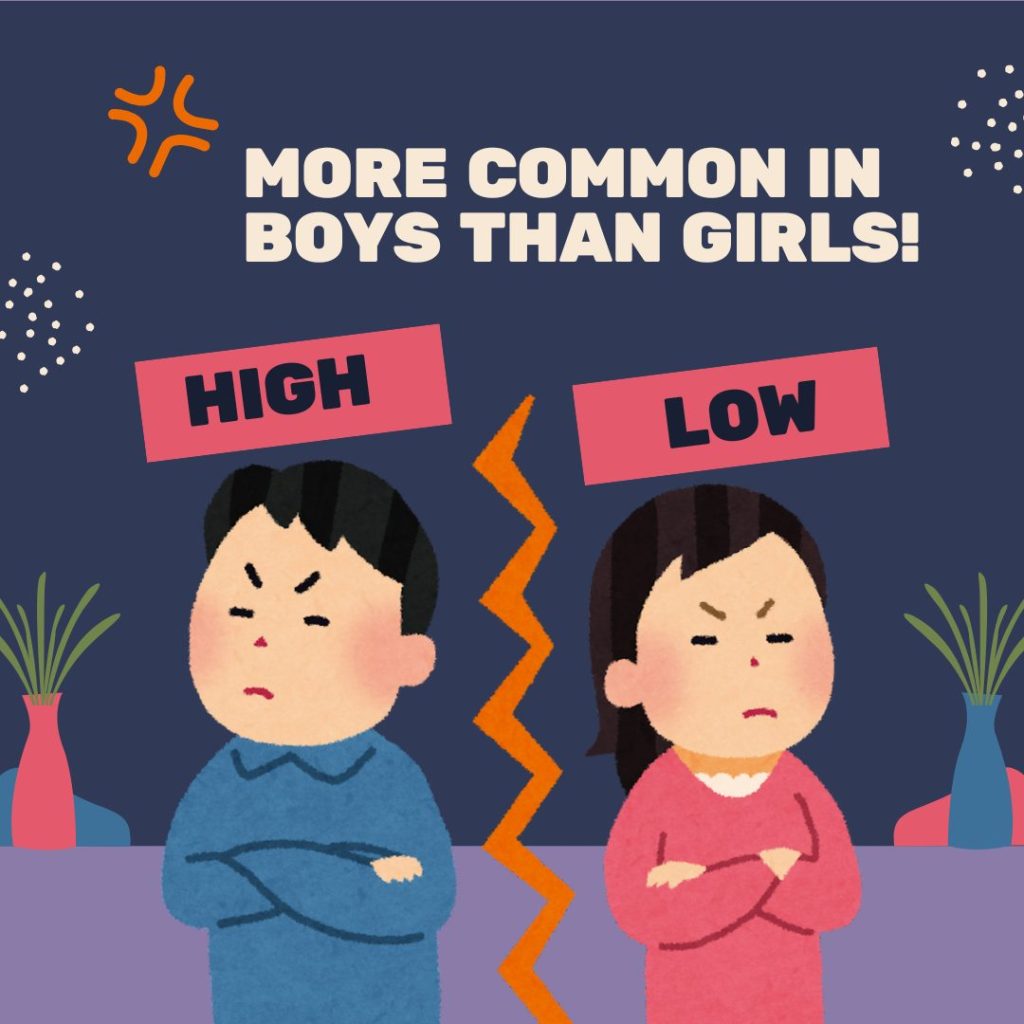
Autism is more often seen in boys. Research shows that boys are four times more likely to be diagnosed with autism than girls. However, this doesn’t mean that girls don’t have autism. In girls, the symptoms can sometimes be more subtle, leading to a later diagnosis.
Genetic Factors Play a Big Role
Many parents wonder, “Why does my child have autism? Did I do something wrong?” Research indicates that genetics play a significant role in autism. This means that autism occurs naturally, and it is not the result of any parental mistake.
Confusion Around Environmental Factors
While genetics are a big part of autism, some environmental factors may also contribute, such as complications during early pregnancy or specific infections. However, there is no solid proof linking these factors directly to autism.
Different Levels of Autism
ASD is not the same for everyone. It can range from mild to severe. In my daughter’s case, her autism is mild. Sometimes she feels shy in social settings, but in private moments, she openly shows her emotions. Other children may struggle more with sensory overload.
Early Intervention Makes a Difference
Understanding autism at an early age allows us to begin therapies and interventions early, which greatly helps children develop. Tools like speech therapy, occupational therapy, and behavior therapy make a big difference.
You Are Not Alone
If you feel isolated, join support groups. There are many communities for autism parents both online and offline. I joined a group too, and it helped me realize that this is like a big family where everyone understands each other.
Hope is Essential
Most importantly: never lose hope. Autism is a different way of developing, but that doesn’t mean your child won’t achieve their goals. They have their own unique way of understanding the world, and our job is to support them in this journey.
Some Common Questions and Answers:
- When can autism symptoms be noticed?
Autism signs can be noticed as early as 2-3 years old, but every child is different, so sometimes it may be diagnosed later. - Is autism a lifelong condition?
Yes, autism is a lifelong condition, but with therapies and support, a child can live a happy and independent life. - Can children with autism learn to talk?
Absolutely! Every child develops at their own pace. With speech therapy and communication tools, progress can be made. - What schooling options are there for children with autism?
Every child has different needs. There are special schools and inclusive classrooms that can support children with autism. - Do vaccines cause autism?
No! There is no scientific connection between vaccines and autism. - Is there a cure for autism?
Autism cannot be cured, but symptoms can be managed with therapies. - What are sensory issues in autism?
Some children with autism are more sensitive to sounds, lights, textures, or smells. - Can children with autism understand emotions?
Yes, but their way of expressing emotions might be different. They can still feel love, friendship, and other emotions. - Is autism genetic?
Yes, research shows that genetic factors play a strong role in autism. - Can children with autism live normal lives?
Yes, with proper support and understanding, children with autism can lead successful and happy lives.
Motivational Conclusion:
My mother used to say, “Every child is like a star, they just shine differently.” If your child is on the autism spectrum, remember they too have their unique light. It may take them a little longer to understand the world, but their journey will be beautiful in its own way. You are their guide, their protector, and their biggest supporter.
Life with autism is undoubtedly challenging, but it also opens the door to a new perspective. If we walk alongside our children with patience, love, and acceptance, we can help them live their best life. Keep believing, keep loving, and most importantly, never lose hope.